


Pakistan expands electric vehicle push, reports progress on polio eradication
 Rabbia Zafar
|
4 hours ago
Rabbia Zafar
|
4 hours ago
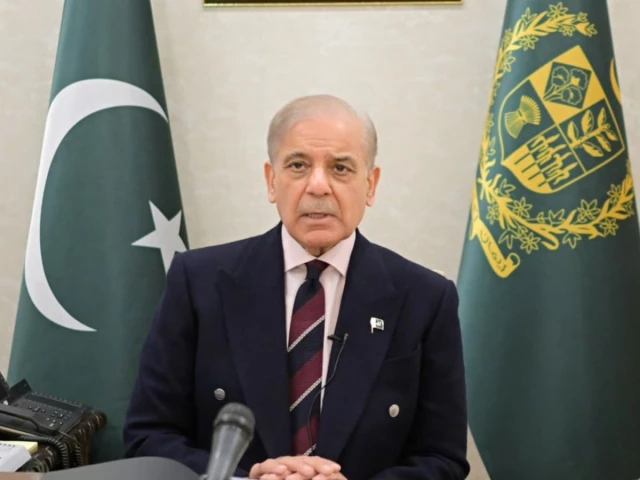
Prime Minister Shehbaz Sharif on Wednesday chaired a high-level meeting focused on promoting electric vehicles (EVs) in Pakistan, alongside a separate review session on the country’s polio eradication efforts, highlighting two key policy priorities of the government.
During the EV meeting, the prime minister announced that government employees from Basic Pay Scale (BPS) 1 to 16 will be provided electric bikes on easy installment plans to encourage adoption of clean transport. Officials briefed the meeting that Pakistan aims to shift 30% of its vehicle fleet to electric power within the next five years, a transition expected to save approximately $4.5 billion in fuel imports.
The government is also accelerating infrastructure development for EVs. So far, 72 manufacturing certifications have been issued for electric motorcycles and rickshaws, along with four certifications for electric cars. In addition, 123 applications have been received for establishing electric vehicle charging stations across the country.
The prime minister directed authorities to speed up implementation of all ongoing EV-related initiatives to support cleaner energy and reduce dependency on imported fuel.
In a separate meeting, Prime Minister Shehbaz Sharif reaffirmed the government’s commitment to eradicating polio from Pakistan, calling it a national priority. Officials reported encouraging progress, with only one polio case recorded in 2026 so far, compared to 74 cases in 2024 and 31 in 2025, reflecting a steady decline.
No new cases have been reported this year from Punjab, Khyber Pakhtunkhwa, Balochistan, Islamabad, Gilgit-Baltistan, or Azad Jammu and Kashmir. The number of affected districts has also dropped significantly, while national vaccination coverage remains at 98%.
Authorities noted improvements in high-risk regions, including reduced virus detection in environmental samples in Karachi and a sharp decline in affected areas in Bannu. The government is also working to integrate immunization programmes with social protection initiatives to strengthen outreach and improve vaccination coverage.


Gold prices drop sharply in Pakistan amid global market decline

Punjab issues alert over rising WhatsApp hacking and impersonation fraud cases
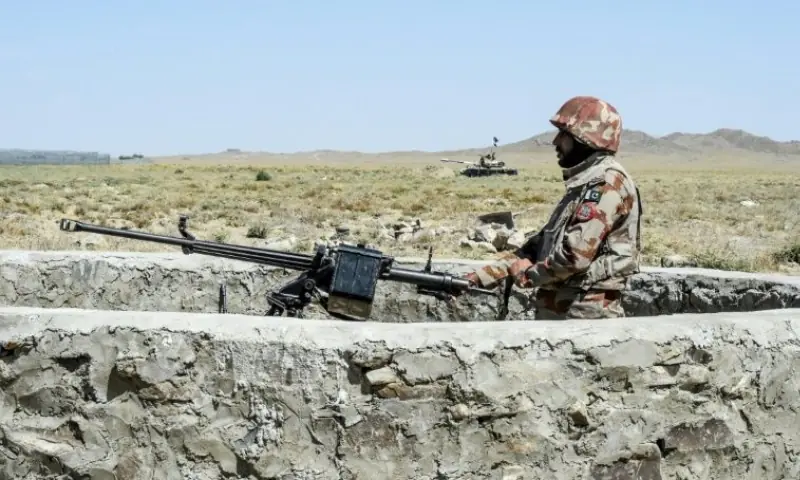
Nine killed in armed attack at copper and gold site in Balochistan’s Chagai

PSX drops over 2,750 points as profit-taking pressure hits market
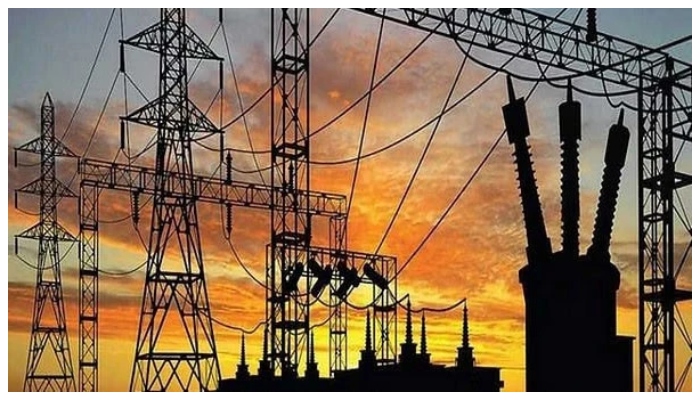
Power division says hydropower production increases during peak hours amid demand pressure

Pakistan army officer completes mission during Maarka-e-Haq amid battlefield drone activity


41 minutes ago
2 hours ago
2 hours ago

2 hours ago

2 hours ago

2 hours ago
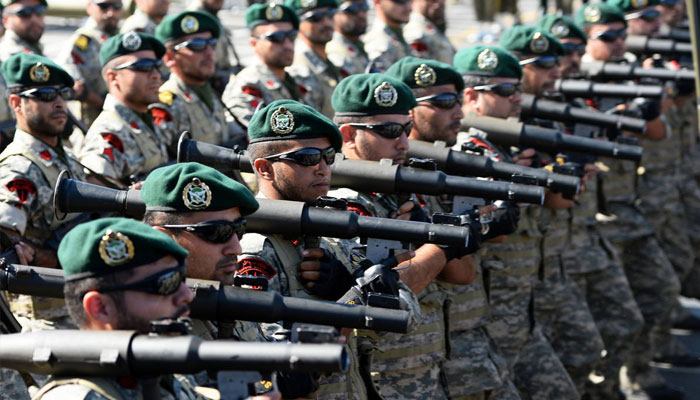
- US intelligence officials have stated that Iran’s military capabilities remain more intact than publicly suggested by US political leadership, according…
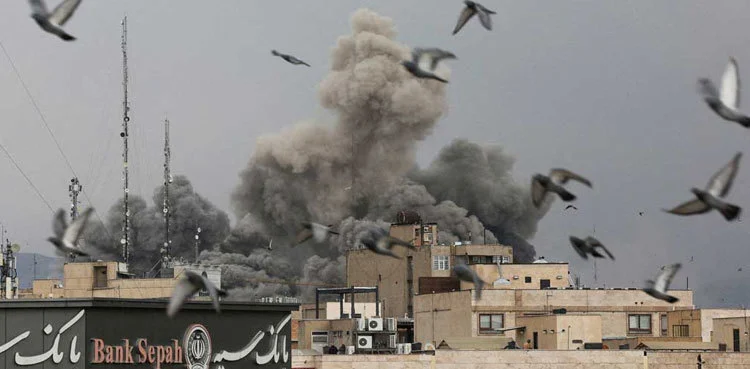
 Iranian President Masoud Pezeshkian said that the Islamic Republic continues to support dialogue and diplomatic engagement, but accused the United…
- The Israeli military said it detained and returned dozens of Israeli civilians who briefly crossed into Syrian territory on Wednesday,…
- Pakistan hosted high-level talks between Iran and the United States in Islamabad following a fragile two-week ceasefire that came after…

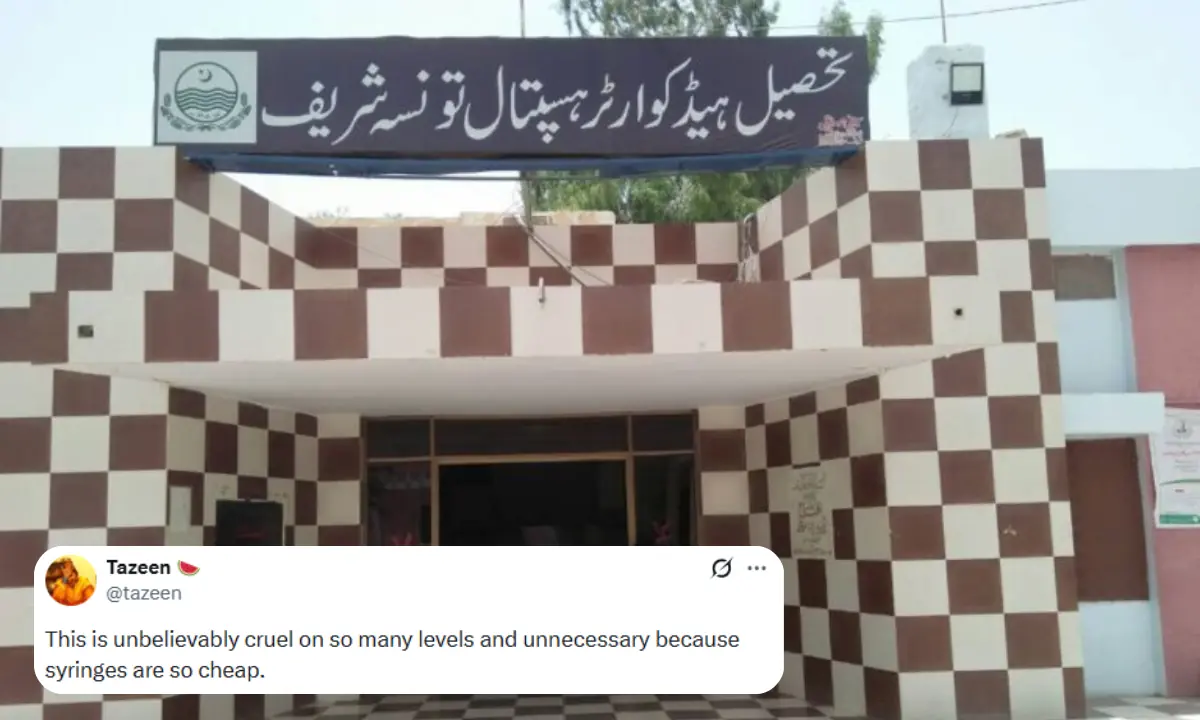
- Federal health authorities have ordered strict nationwide enforcement of a ban on conventional disposable syringes and initiated a policy review…
 Pakistan’s second national anti-polio campaign of 2026 is continuing across the country, with efforts now in its sixth day as…
 A shocking report by BBC has triggered nationwide outrage in Pakistan after alleging severe medical malpractice at a Tehsil Headquarter…
 Pakistan’s second National Anti-Polio Campaign of 2026 is continuing across the country with full momentum, as health workers aim to…



- A robot powered by artificial intelligence has achieved a remarkable…41 minutes ago
- Gold prices in Pakistan recorded a significant decline on Thursday,…2 hours ago
- The Punjab Home Department has issued an emergency advisory across…2 hours ago
- Earth Day was celebrated in Karachi’s historic Saddar area through…2 hours ago